

Physical Pain due to Mood Disorders
Physical Pain due to Mood Disorders |
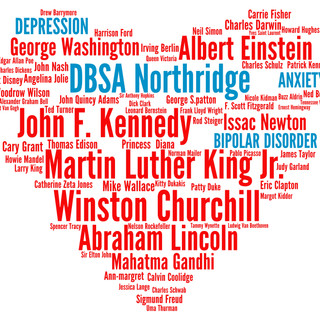
Depression hurts. And while we often associate this mental illness with emotional pain like sadness, crying, and feelings of hopelessness, research shows that depression can manifest as physical pain, too. While we don’t often think of Depression as physical pain, some cultures do — especially those where it’s “taboo” to openly talk about mental health. Different cultures may understand depression differently. For example, Asian American people may be more likely to describe and understand depression as physical symptoms. This can influence what treatment they seek and who they seek it from. This is compared with Western understandings of depression as primarily an internal mood experience. But keeping these physical symptoms top of mind is just as important as the emotional effects. For one, it’s a great way to keep in check with your body and mind. Physical symptoms can signal when a depressive period is about to begin or clue you in to whether or not you may be experiencing depression. Physical symptoms demonstrate that depression is, in fact, very real and can be detrimental to our overall well-being. Here are seven of the most common physical symptoms of depression:
Pain is another way your brain communicates. If you feel discomfort identifying and talking about distressing emotions, like sadness, anger, and shame, this could cause feelings to manifest differently in the body. If you’re experiencing any of these physical symptoms for a prolonged period of time, make an appointment with your primary care doctor or nurse practitioner. Depression can be caused by a variety of factors, such as genetics, exposure to childhood stress or trauma, and brain chemistry. People with depression often need professional help, like psychotherapy and medication, to fully recover. Support Groups are a great way for you to express yourself, in a safe and confidential space, with others who live with Mood Disorders just like you. |


Comments